

Podczas rozmów na temat bezpieczeństwa w IT często skupiamy się na narzędziach – antywirusach, zaporach czy uwierzytelnianiu. Jednak rzadko zadajemy sobie pytanie: czyja to właściwie infrastruktura i kto ma nad nią ostateczną władze? Dziś europejski biznes operuje w uzależnieniu od amerykańskiego Big Tech.
Kryzys suwerenności cyfrowej
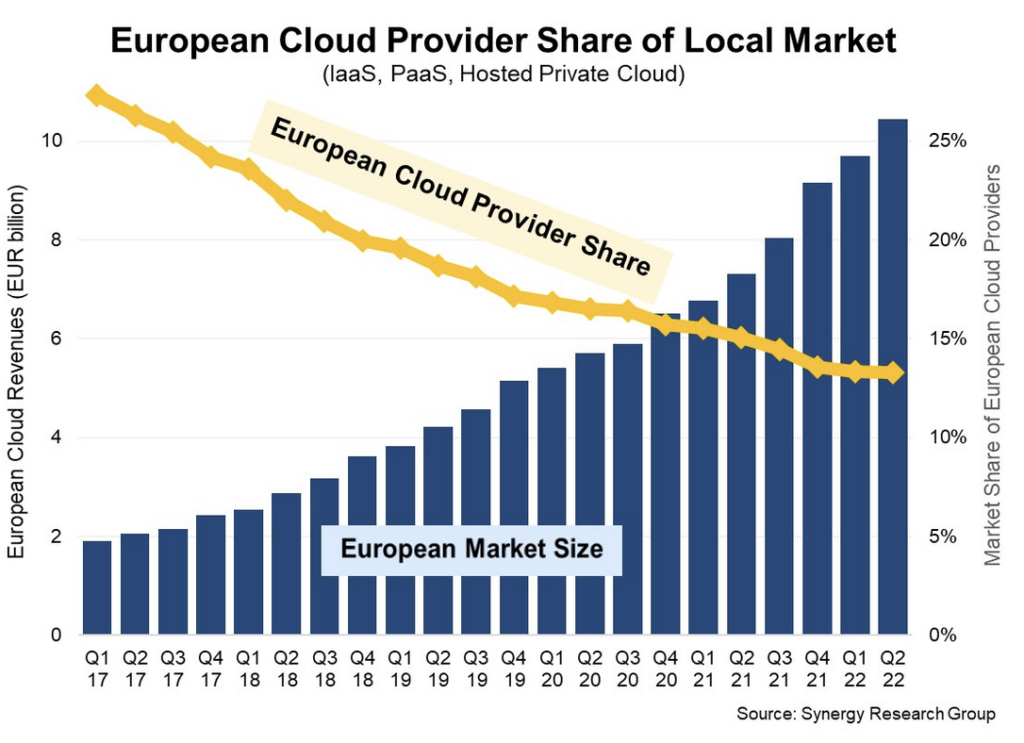
Liczby są jednoznaczne. Zgodnie z badaniem Synergy Research Group, mimo ogromnego potencjału Europy, udział lokalnych dostawców chmury w rynku spadł w ostatnich latach do poziomu 13%. Podczas gdy amerykańscy giganci umacniają swoją pozycję, europejscy dostawcy – tacy jak francuski OVHcloud, niemiecki T-Systems czy Orange Business – mają coraz trudniejsze zadanie w starciu z ogromnym budżetem i zasięgiem firm z USA. Obecnie trzech graczy z USA – AWS, Microsft Azure i Google – kontroluje już ponad 72% Europejskiego rynku chmurowego.
Dlaczego chumra zdominowała rynek?
Skala przejścia do chmury nie wynika z chwilowej mody, ale ze zmiany w tym, jak buduje się firmy. Jeszcze dekadę temu uruchomienie nowego projektu oznaczało miesiące czekania na sprzęt, budowę własnych serwerowni i ogromne ryzyko finansowe. Chmura to zmieniła – nagle każda organizacja, od startupu po korporację zyskała dostęp do gigantycznych zasobów technologicznych niemal na wyciągnięcie ręki.
Wybraliśmy ten model, bo obiecał nam wolność od zarządzania fizycznymi maszynami. Zamiast wydawać miliony na start, zaczęliśmy płacić tylko za to, co faktycznie zużywamy. To podejście stało się standardem, co obrazują dane Microsoft Azure: aż 54,7% organizacji opiera swoją infrastrukturę na subskrypcji Pay-as-you-go. Dzięki tej elastyczności firmy mogły rosnąć niemal z dnia na dzień. Do tego doszła wygoda: gotowe narzędzia analityczne i AI dostępne od ręki, bez konieczności posiadania własnego, rozbudowanego zaplecza technicznego, które do tej pory było niezbędne do obsługi tak złożonych systemów.
To właśnie ta szybkość działania sprawiła, że chmura stała się dla biznesów codziennością. Jednak dziś, gdy 72% rynku jest w rękach kilku graczy, ta sama wygoda zaczyna pokazywać swoje drugie oblicze – tworząc zależność, z której coraz trudniej się wyrwać.
Prawne wyzwania Big Tech
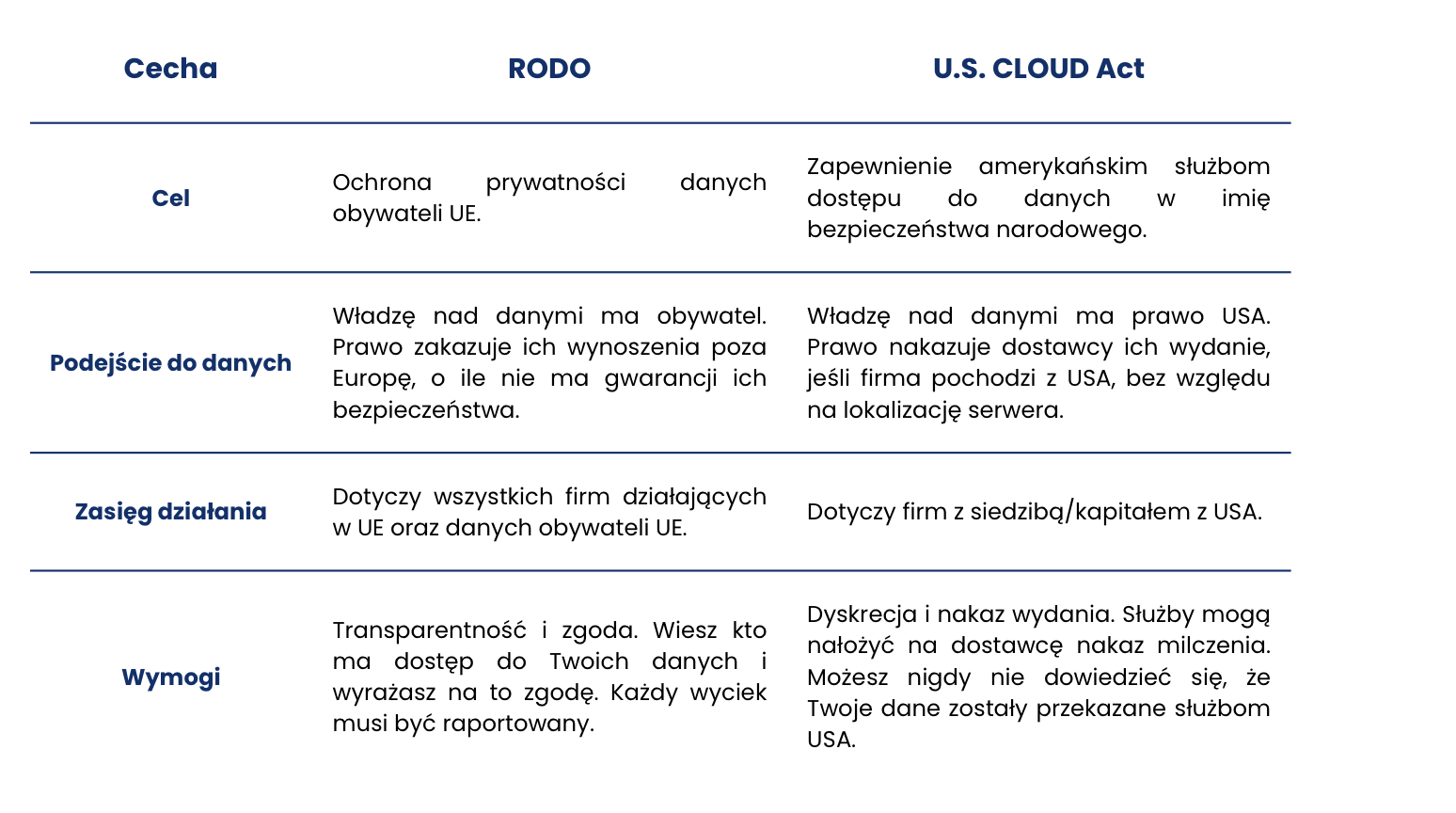
Większość firm zakłada, że jeśli ich dane fizycznie znajdują się na serwerze w Europie, są w pełni chronione przez unijne prawo. To jednak niebezpieczne uproszczenie. W rzeczywistości dane podlegają prawu kraju, z którego wywodzi się dostawca technologii.
Dwa światy, dwa różne prawa
Utrata kontroli nad dostępnością usług
Jest to najbardziej bezpośrednie zagrożenie dla codziennego funkcjonowania organizacji. W modelu chmury publicznej (Public Cloud), dostawca posiada techniczne i prawne narzędzia do natychmiastowego odcięcia użytkownika od usług. Decyzje te są często podejmowane przez zautomatyzowane systemy, które mogą błędnie zinterpretować aktywność klienta jako naruszenie regulaminu lub zagrożenie bezpieczeństwa. W takiej sytuacji firma traci dostęp do swoich danych, poczty e-mail i systemów sprzedażowych, co prowadzi do zatrzymania działań biznesu.
Amerykański algorytm, który zatrzymał europejską instytucję
Międzynarodowy Trybunał Karny (MTK) w Hadze operuje na danych o najwyższym stopniu poufności: zeznaniach świadków, dowodach zbrodni i tajnych dokumentach dyplomatycznych. To miejsce, gdzie bezpieczeństwo informacji powinno być nienaruszalne.
Jednak w 2024 roku, według serwisu Heise, jeden z prokuratorów Międzynarodowego Trybunału Karnego nagle stracił dostęp do poczty w systemie Microsoft 365. Stało się to w najgorszym możliwym momencie – dokładnie wtedy, gdy pracował nad nakazem aresztowania dla premiera Izraela. Oficjalnie systemy bezpieczeństwa uznały jego aktywność za podejrzaną i automatycznie zablokowały mu konto. Trudno jednak nie łączyć tego z faktem, że sprawa dotyczyła kluczowego sojusznika USA. To jasny sygnał dla każdej organizacji: korzystając z amerykańskiej chmury, nie można liczyć na pełną swobodę. Dostawca ma techniczne klucze do Twojej pracy i może ich użyć, gdy tylko Twoje działania staną się dla niego niewygodne.
Brak gwarancji bezpieczeństwa
O tym, że nie jest to tylko teoretyczny problem, przekonała się sama Komisja Europejska. W marcu 2024 r. Europejski Inspektor Ochrony Danych (EDPS) stwierdził, że KE naruszyła przepisy o ochronie danych, korzystając z oprogramowania Microsoft 365. Okazało się, że nawet przy ogromnych zasobach prawnych, instytucja nie była w stanie w pełni zagwarantować, że dane nie zostaną udostępnione podmiotom spoza UE w sposób sprzeczny z naszymi standardami.
Vendor Lock-in
Model chmury publicznej jest niezwykle przyjazny przy wdrażaniu, ale staje się pułapką, gdy firma chce odzyskać kontrolę i zmienić dostawcę.
Jak powstaje bariera?
Technologia
Unikalne narzędzia i formaty danych działające wyłącznie w jednym systemie wymuszają przebudowę procesów IT od zera przy próbie zmiany.
Finanse
Niskie koszty wejścia vs. wysokie koszty wyjścia. Migracja staje się nieopłacalna, nawet jeśli konkurencja oferuje lepszą usługę.
Zależność
Trwała utrata wpływu na koszty operacyjne i strategię IT poprzez uzależnienie od jednostronnych zmian cennika dostawcy.
Co utrudnia zmianę dostawcy?
Brytyjski regulator rynku Ofcom wskazał konkretny mechanizm, która uniemożliwia firmom swobodną zmianę technologii. Mówimy o egress fees – opłatach, które pojawiają się dopiero w momencie próby przeniesienia zasobów do innego dostawcy.
Skalę tego zjawiska ujawniły wewnętrzne dokumenty AWS, które wyciekły do mediów.


Apple zapłaciło 50 mln USD za sam transfer danych w ciągu zaledwie jednego roku.
Netflix został obciążony kwotą przekraczającą 15 mln USD.
Koszt przeniesienia zasobów firmy Pinterest wyniósł ponad 20 mln USD.
Suwerenność na papierze, kontrola za oceanem
Czy wiesz, że „europejska chmura” to czasem tylko zgrabny zabieg marketingowy? Zjawisko Sovereignty Washing polega na sprzedawaniu usług, które są suwerenne tylko z nazwy, podczas gdy techniczne stery wciąż trzyma globalny gigant.
W marcu 2026 roku organizacja CISPE opublikowała list, który pomaga odróżnić marketing od realnej kontroli. Prawdziwa autonomia jest możliwa tylko wtedy, gdy:
 Oprogramowanie zarządzające i klucze szyfrujące nie mają ukrytych powiązań z podmiotami spoza UE.
Firma jest chroniona przed wpływem zewnętrznych systemów prawnych.
Miliardy, które uciekają z Europy
Musimy mieć świadomość, że nasza obecna sytuacja to nie tylko kwestia techniczna, ale przede wszystkim potężny drenaż kapitału. Według analiz Parlamentu Europejskiego z 2025 roku dane są bezlitosne: deficyt handlowy UE w sektorze cyfrowym przekracza 100 miliardów euro rocznie. Łącznie do zagranicznych dostawców oprogramowania i chmury płynie z Europy około 264 miliardów euro rocznie – to aż 1,5% całego PKB Unii Europejskiej.
Co to oznacza w praktyce?
Stracone miejsca pracy
Gdybyśmy zatrzymali w Europie zaledwie 15% tych środków, do 2035 roku moglibyśmy stworzyć około 500,000 nowych miejsc pracy w naszym sektorze technologicznym.
Innowacyjność na cudzym fundamencie
Zamykając się w gotowych systemach z USA czy Azji, nasze firmy oddają kontrolę nad własnością intelektualną i danymi. To stawia nas w gorszej pozycji negocjacyjnej zarówno w handlu, jak i w kwestiach bezpieczeństwa.
Brak planu awaryjnego
Polegając tylko na dostawcach z innych kontynentów, ryzykujemy, że polityka wielkiego świata uderzy prosto w nasze firmy. Wystarczy zmiana układów handlowych, byśmy zostali zablokowani lub zmuszeni do drastycznych podwyżek.
Wyjście poza schemat
Suwerenne IT to nie tylko ochrona danych. W świecie, gdzie technologia jest nową ropą naftową, bycie suwerennym to po prostu bycie bezpiecznym.
Sama regulacja gigantów to tylko połowa sukcesu. Prawdziwa zmiana zaczyna się od zmiany podejścia. Północna Ameryka obecnie nie tworzy wystarczających szans dla firm w ujęciu globalnym, co jest sygnałem dla nas, by budować własną siłę.
Wniosek?
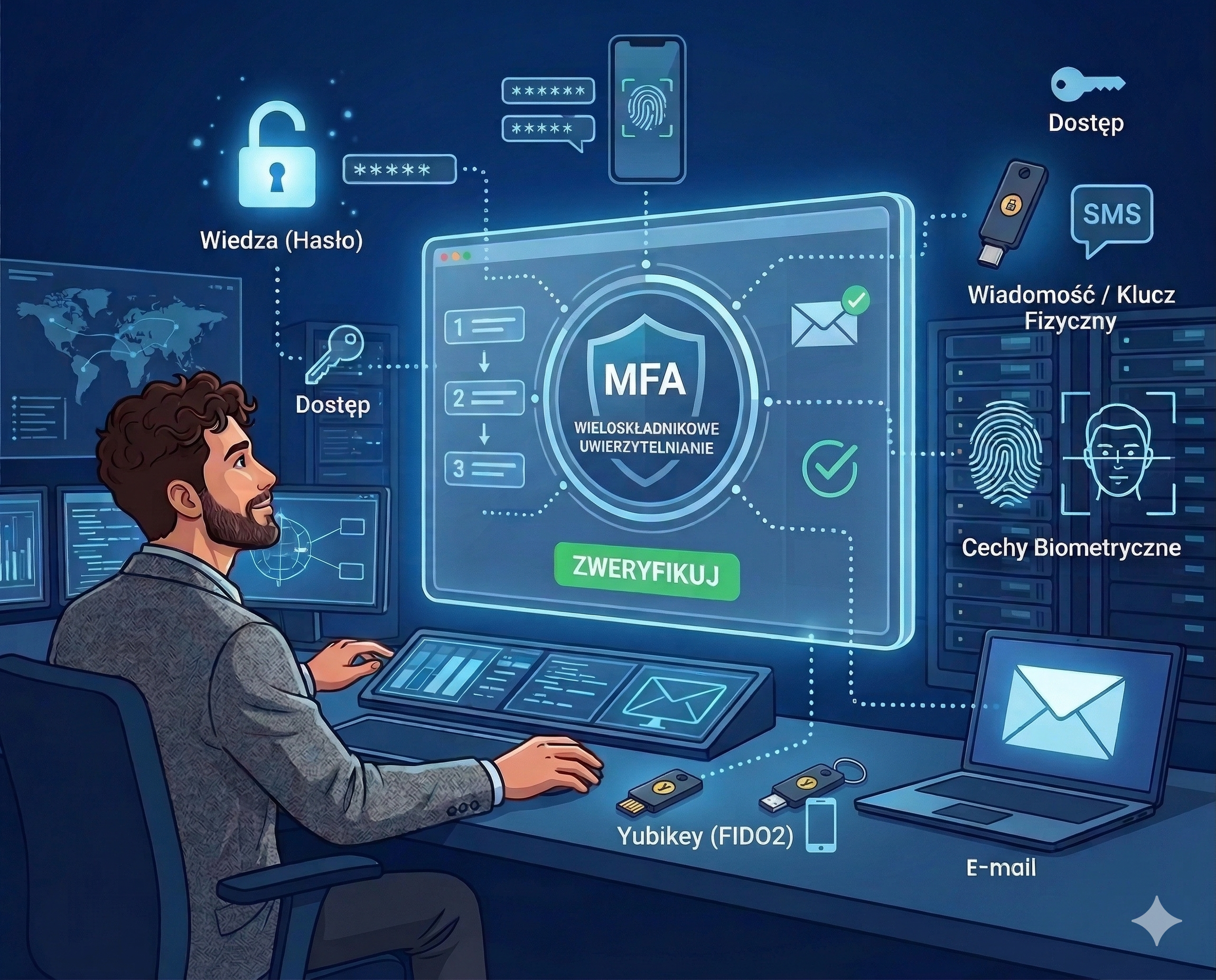
Podobnie jak MFA to dziś absolutne minimum w logowaniu, tak cyfrowa niezależność staje się „must-have” dla każdej świadomej firmy. Czas przestać tylko wynajmować technologię i zacząć ją kontrolować.
Nie każda firma musi całkowicie rezygnować z Microsoft czy Google, ale warto wiedzieć jakie masz opcje. Skorzystaj z formularza kontaktowego, a my skontaktujemy się z Tobą jak najszybciej. Przeanalizujemy gdzie leżą Twoje dane, jakie przepływy są krytyczne i które usługi da się przenieść na infrastrukturę europejską lub lokalną.


Comments are closed